Essential Tools Every Gardener Needs: Building the Perfect Starter Kit
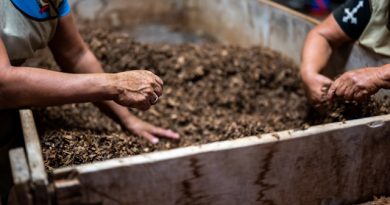
Photo by dylan nolte on Unsplash
Starting a garden doesn’t require a shed full of fancy equipment or a wallet-draining trip to a specialty store. I’ve grown vegetables, herbs, and flowers for my family for many years, and I’ve learned that the most important tools aren’t expensive gadgets—they’re simple, reliable basics you’ll use again and again. You don’t need much to begin, but the right few things make gardening easier, more enjoyable, and far more productive.
If you’re trying to grow your own food on a budget, this guide will help you sort out what you truly need from what you can skip. Think of it as advice from a neighbor who has been gardening long enough to know which tools earn their place and which end up forgotten in the corner.
The Tools That Truly Matter
Every gardener develops their favorites, but after years of trial and error, I’ve found that a small set of tools covers almost everything you’ll do—planting, digging, pruning, watering, weeding, and harvesting. You don’t need the deluxe versions or fancy materials. Buy what you can afford, take care of it, and it will serve you for years.
1. A Good Hand Trowel
If you buy only one tool, let it be a hand trowel. It helps with planting seedlings, digging small holes, transplanting herbs, and mixing soil. Look for a sturdy metal blade and a comfortable handle that fits your grip. Cheap plastic trowels tend to snap when the soil is compact, so spending a few extra euros on a metal one saves you money in the long run.
I still have the same hand trowel I bought more than fifteen years ago. The wooden handle is worn smooth from use, but it works just as well as the day I brought it home.
2. A Pair of Pruning Shears
A simple pair of pruning shears is necessary for cutting thick stems, trimming branches, and harvesting vegetables like peppers or tomatoes. You don’t need professional-grade shears, but avoid the cheapest ones—they dull quickly and crush stems instead of cutting them.
Choose shears that fit comfortably in your hand. If they feel awkward or heavy, you’re less likely to use them. And trust me, once you start pruning regularly, your plants will reward you with healthier growth and better yields.
I once tried to get by without shears and used kitchen scissors instead. That lasted exactly one season. Kitchen scissors bend, rust, and pinch your fingers. Spend the few euros—it’s worth it.
3. A Watering Can or Simple Hose
Watering sounds simple, but how you water makes a big difference. For small gardens, balconies, or container gardens, a watering can with a narrow spout gives you precision. You can direct water right to the roots instead of splashing soil everywhere.
For larger gardens, a hose with a gentle spray head is enough. You don’t need eight spray patterns or expensive nozzles. A basic adjustable sprayer does the job.
The important thing is to enjoy the routine. I water early in the morning while drinking my coffee, and it’s become one of the calmest parts of my day.
4. A Garden Fork or Small Hand Fork
A fork helps break up soil, mix compost, loosen roots, and remove weeds. A small hand fork is perfect for raised beds or pots. For larger beds, a full-size garden fork is handy—but start small if you’re on a budget. Many gardeners get by with only a hand fork for years.
A garden fork also helps avoid back strain because it digs into the soil more easily than a shovel. And if you’re working with rocky or clay-heavy soil, it’s a lifesaver.
5. A Basic Rake
A simple rake helps level soil, gather leaves, and smooth out beds before planting. You don’t need the wide metal rakes meant for professional landscapers. A lightweight model with flexible tines works well for small gardens.
I once tried to plant a vegetable bed without raking it first, and the clumpy soil made everything uneven. A few minutes with a rake makes planting easier and more satisfying.
6. A Sturdy Pair of Gloves
Gardening without gloves works until the first time you meet a thorn, splinter, or stubborn weed root. A pair of gloves protects your hands and helps you work longer without soreness.
You don’t need leather or fancy materials. A simple pair with a good fit is enough. Replace them when they wear out—good gloves are cheap and worth every cent.
7. A Bucket or Simple Garden Tub
You may laugh, but a basic bucket is one of the most useful “tools” you’ll own. Use it to carry soil, compost, weeds, harvested vegetables, pruned branches, tools—anything. A large container or flexible garden tub works just as well.
When my children were young, they liked helping me garden. Their job was carrying harvested tomatoes in a small bucket. They dropped half of them, but the bucket saved the other half.
8. A Spade or Small Shovel (Optional but Helpful)
Beginners often don’t need a big shovel right away, especially if they’re gardening in pots or raised beds. But if you’re planting shrubs, digging deeper holes, or moving larger amounts of soil, a simple spade makes life easier.
Start with a small shovel if the full-size one feels like too much. Choose one with a comfortable grip and a sharp edge. You’ll appreciate it when you need it.
9. Plant Labels and a Pencil
You don’t have to buy fancy markers. Wooden sticks from the kitchen drawer work fine. Write the names of seedlings or plant varieties so you don’t forget what you planted where—especially in spring when everything looks similar.
Trust me, once you mix up tomatoes and peppers, you won’t skip labels again.
10. A Simple Tool for Weeding
Many gardeners use a hori-hori knife or a fancy weeder, but a simple, inexpensive tool works perfectly. Look for a small hand weeder with a forked tip or a narrow blade. It helps remove weeds without disturbing nearby plants.
To conclude
If you’re really on a tight budget, even an old butter knife can help loosen weeds from the soil. I used one for a whole season during a particularly frugal year.
You don’t need a garage full of expensive equipment to grow a good garden. With a trowel, pruning shears, a watering can, a hand fork, a rake, and a solid pair of gloves, you’re already equipped to grow vegetables, herbs, and flowers for your home.
What matters more than tools is consistency—checking on your plants, watering them when needed, pulling weeds before they take over, giving them the sunlight they crave. Gardening doesn’t have to be complicated or costly. Start with the basics, let your garden grow at its own pace, and add tools only when your needs grow too.
Once you get into the rhythm of tending your plants, you’ll find that even a small, budget-friendly garden can feed your family, calm your mind, and bring joy with every new leaf and every harvest.