Choosing the Best Winter Annual Flowers for Your Garden
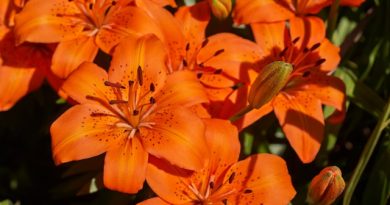
Photo by Brigitte Elsner on Unsplash
When most people think of flowers, they picture spring and summer blooms. Yet winter has its own charm if you know which annual flowers to plant. Winter annual flowers are designed to grow, bloom, and even brighten cold months when many perennials are dormant. They complete their life cycle within one season, which means they germinate, grow, flower, set seed, and die before spring. Understanding which varieties thrive in your climate is essential for success, and choosing the right plants can bring color and life to otherwise quiet winter gardens.
For gardeners who enjoy hands-on learning, winter annuals offer an accessible way to experiment with soil, sunlight, and watering habits. You don’t need a large garden to see results—these flowers can flourish in containers, raised beds, or small border areas. Here are three of the best types of winter annual flowers to consider, along with advice on where they do best.
Pansies: Colorful Companions for Mild Winters
Pansies are perhaps the most familiar winter annual flowers for gardeners in temperate climates. Their cheerful faces and wide variety of colors make them instantly recognizable, and they tolerate cool weather remarkably well. Pansies prefer climates that do not experience severe freezes, thriving best in areas where winter temperatures hover between 0°C to 10°C (32°F to 50°F). They can survive brief frosts, but extended exposure to temperatures below -5°C (23°F) can damage flowers.
One of the reasons pansies are so popular is their versatility. They perform beautifully in containers on sunny patios or in garden beds with good drainage. Their relatively shallow root system allows them to adapt to a variety of soil types, though they respond best to fertile, moist soil with moderate acidity. In regions with mild winters, they can bloom almost continuously, providing a long season of interest. When planting pansies, aim for a spot that receives at least four to six hours of sunlight daily. Even in partial shade, they will survive, though flowering may be less prolific.
Pansies are also forgiving in terms of maintenance. Regular watering is important, but they tolerate occasional dry periods. Deadheading spent flowers encourages further blooms and keeps the garden looking fresh. For gardeners new to winter annual flowers, pansies are an excellent starting point because they combine ease of growth with reliable, vibrant color.
Snapdragons: Hardy Flowers for Colder Climates
Snapdragons are another excellent choice for winter annual flowers, particularly in regions where temperatures drop more significantly. They thrive in climates with cool to moderate winters and are hardy down to about -6°C (20°F), making them suitable for USDA hardiness zones 7 through 10. Unlike pansies, snapdragons develop taller, more vertical growth, which can add structure and height to winter gardens.
These flowers prefer rich, well-drained soil and full sun exposure. While they can tolerate partial shade, flowering is more robust when they receive ample sunlight. Snapdragons are moderately drought-tolerant once established, but consistent moisture during early growth ensures strong stems and abundant flowers. One feature that makes them particularly appealing is their extended bloom period. Even in colder weather, snapdragons can produce flowers for several months, especially when old flowers are removed regularly.
Gardeners in climates that experience frost but not prolonged freezing will find snapdragons an excellent choice. They pair well with other winter annual flowers and can be used as a backdrop for smaller, lower-growing plants like pansies or ornamental kale. Their variety of colors—from soft pastels to bold reds and oranges—adds depth and interest to winter borders, making them a versatile addition for both seasoned and beginner gardeners.
Violas: Petite Powerhouses for Chilly Gardens
Violas are close relatives of pansies and often confused with them due to their small, colorful blooms. They are ideal winter annual flowers for areas with colder winters, as many varieties tolerate frost and brief snow cover. Violas thrive in climates where temperatures range from -2°C to 10°C (28°F to 50°F), and they can handle slightly harsher conditions than pansies, making them suitable for both mild and moderately cold winter zones.
These flowers have a compact growth habit, making them perfect for filling gaps in borders, hanging baskets, or window boxes. Their small size and dense flowering allow them to cover ground efficiently, creating a carpet of color even in the coldest months. Soil should be fertile, moist, and well-drained, with a preference for slightly acidic to neutral conditions. Violas also respond well to regular fertilization during the growing season, which encourages repeated blooms.
One of the understated benefits of violas is their adaptability. They can thrive in sun or partial shade, though prolonged shade may reduce flowering. For gardeners seeking winter annual flowers that are both resilient and charming, violas are a reliable option. Their sweet scent and delicate petals make them a subtle yet delightful addition to gardens, complementing taller flowers like snapdragons or larger blooms like pansies.
Choosing the Right Winter Annual Flowers for Your Garden
When deciding which winter annual flowers to plant, it is important to consider your local climate, soil type, and sunlight availability. Pansies work well in mild winters, snapdragons bring height and structure to cooler regions, and violas are excellent for frost-prone areas. Planting a combination of these flowers can provide a layered, textured look while ensuring blooms throughout the winter months.
It’s also worth noting that soil preparation is key. Even hardy winter annual flowers perform best when planted in soil enriched with compost or well-rotted organic matter. Regular watering and occasional fertilization encourage strong growth and prolonged flowering. Paying attention to microclimates—such as sunny south-facing walls or sheltered garden corners—can make a difference in how well your flowers survive cold spells.
Winter annual flowers offer more than color; they bring life, interest, and a sense of continuity to gardens during a season when many plants are dormant. By understanding the unique requirements of each type, gardeners can create vibrant winter landscapes that are both beautiful and educational. With thoughtful selection and care, pansies, snapdragons, and violas can transform chilly months into a season worth looking forward to in any garden.