Companion Planting Basics: Growing a Healthier, More Productive Garden
Companion planting has been around longer than most of us have. People have paired certain plants together for generations, not because someone wrote a rulebook, but because they noticed something interesting: some plants simply do better with the right neighbors.
Now, I’m the first to admit that science hasn’t confirmed every pairing you’ll hear in gardening circles. But in my own backyard, I’ve seen enough good results to trust this old practice. And honestly, when you’re trying to grow food on a budget, anything that helps without costing money is worth trying. Companion planting won’t fix every pest problem, but it can nudge your garden in a healthier direction without a drop of chemicals.
If you’re trying to build a low-cost, natural, family-friendly garden, companion planting is one of the best tools you can start using—today, even. No purchases, no gadgets, no apps. Just plants helping plants, like they always have.
Why Companion Planting Works (Even If We Don’t Know Everything)
Gardeners love explanations, but sometimes nature doesn’t give us a neat one. We know a few reasons why certain combinations tend to work:
- Pest confusion
Some plants have strong scents—like basil, rosemary, onions, or marigolds—that seem to confuse pests. I once lost half a patch of lettuce to aphids, only for the surviving half to be the part I’d accidentally surrounded with spring onions. Since then, “accidentally” has become “on purpose.” - Attracting useful insects
Dill, coriander, fennel, and flowering herbs attract predatory insects like ladybugs, lacewings, and parasitic wasps. These tiny helpers take care of pests for free. When I let dill bolt one summer, I ended up with more ladybugs than I’d seen in years. They saved my beans from aphids. - Different rooting depths
Tomatoes reach down deep. Lettuce stays shallow. Carrots dig further still. When you mix root types, plants share the soil without fighting over it. - Providing shade or support
Taller plants can protect sensitive ones from harsh sun or wind. Beans can climb corn. Lettuce can hide under tomatoes in midsummer heat.
None of this requires perfect science to be useful in a real home garden. Sometimes, it’s enough that gardeners have done it for centuries and keep doing it because it works well enough to matter.
Good Companion Pairings That Actually Matter in a Home Garden
There are endless charts online listing every plant and every partner, but let’s be honest—most home gardeners only grow a handful of things. Here are the combinations that make the biggest difference for a family garden and don’t cost a cent.
Tomatoes and Basil
Everyone knows this pair from the kitchen, but it works in the soil too. Basil’s strong scent can confuse pests like thrips and whiteflies, and it doesn’t compete with tomatoes for nutrients. Plus, harvesting basil all summer long is a bonus.
I’ve grown tomatoes with and without basil, and the basil-tomato beds have always had less damage. Maybe coincidence, maybe nature’s little secret—but I’m not changing it.
Carrots and Onions
This is one of the oldest and most effective pairs. Carrot flies hate the smell of onions, and onion flies don’t love carrot scent. They confuse each other’s pests beautifully. You can tuck onions in between rows of carrots with almost no extra space needed.
Cucumbers and Dill
If you let dill flower near your cucumbers, it attracts beneficial insects that keep cucumber pests under control. Dill shoots up quickly and comes back on its own, so it’s basically free. I always let one or two plants go wild. My cucumbers thank me for it.
Corn, Beans, and Squash (The Three Sisters)
This is traditional Indigenous planting, and for good reason:
- Corn gives beans something to climb.
- Beans fix nitrogen in the soil.
- Squash spreads out, shading weeds and keeping moisture in.
If you have the space, this trio is unbeatable for a low-cost, easy-care garden.
Lettuce Under Taller Plants
Lettuce wilts fast in harsh sun. When you plant it under tomatoes, peppers, or even sunflowers, it stays tender for longer. I’ve grown entire summer lettuce beds under vigorous tomato vines just by using leftover spaces under the canopy. Free shade—why not?
Marigolds With Almost Anything
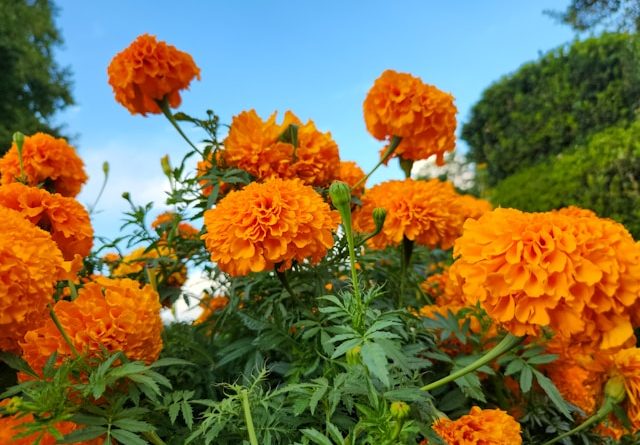
Marigolds aren’t miracle workers, but they do help reduce soil nematodes and discourage some pests. Plus, they’re cheap, cheerful, and grow easily from seed. I scatter a few around the garden every year. The color alone makes me feel like a better gardener.
Radishes as Sacrificial Plants
This one is not glamorous. Flea beetles love radishes. If you plant a small row near your tender greens, the radishes will take the hit first. You may lose the radishes, but your arugula and spinach may survive untouched. It’s not perfect, but for gardeners on a budget, it’s a small sacrifice that can save a bigger harvest.
What Not to Plant Together (Just as Important)
Not all plants get along. Some compete for nutrients or encourage shared diseases.
Here are the combinations I avoid because they’ve caused issues in my own garden or in gardens of people I trust:
Tomatoes with Potatoes
Both are nightshades, and they share diseases. Potatoes usually get them first and pass them along. Keep them in different beds.
Onions with Beans
Onions can stunt bean growth. I’ve seen beans simply sulk all season when planted nearby.
Fennel with Almost Anything
Fennel is like that neighbor who wants their whole fence to themselves. It secretes compounds that slow down other plants. Keep it in its own corner if you grow it.
Cucumbers with Aromatic Herbs
Strong herbs like sage or rosemary don’t play nicely with cucumbers. The cucumbers tend to struggle. I keep them apart now.
These aren’t strict laws, but they’re patterns many gardeners notice. Sticking to them helps things run smoother.
How to Start Companion Planting Without Spending Money
You don’t need new tools, raised beds, special soil, or any sort of gardening gadget to practice companion planting. If you’re on a budget—or simply don’t want to overcomplicate things—here’s how to do it simply.
1. Look at the plants you already have
Start grouping them together based on what you’ve already planted. Tomatoes and basil. Lettuce under taller plants. Onions between carrots. There’s no need to redesign your entire garden.
2. Use free self-seeding plants
Dill, coriander, calendula, and marigolds all reseed easily. Let them grow where they pop up. Nature is often better at placing them than we are.
3. Plant in small clusters, not big monoculture rows
Mixing plants naturally confuses pests. Even alternating plants in a row can help.
4. Don’t aim for perfection
Companion planting isn’t exact science. It’s gentle guidance. If you get the general idea right, you’ll already see benefits.
5. Start with a few reliable wins
Tomato + basil
Carrot + onion
Cucumber + dill
These three pairs alone can make a big difference in a home garden.
A Final Word: Let Your Garden Teach You
Companion planting isn’t something you learn in one season; it’s something you feel out over years. Every garden has its own little personality. What works perfectly for me may work differently for you, and that’s part of the fun.
One summer, I planted marigolds next to my peppers because I’d read that it might help with pests. I wasn’t expecting much. But that year, for the first time, I harvested peppers without finding a single chew mark. Was it the marigolds? The weather? Luck? Who knows. But I’ve planted them together ever since because I like the results—and the look of golden flowers around green peppers is a joy in itself.
That’s the beauty of companion planting: it gives you hope. It gives you something small and simple you can do that might make your garden healthier. And it costs almost nothing.
Try a few pairings this season. Keep what works. Forget what doesn’t. Trust your eyes more than charts. And remember that gardening, like cooking, improves with the years—one small adjustment at a time.