4 Ways Of Destroying Aphids, The Tiny Garden Villains
Photo by Devi Puspita Amartha Yahya on Unsplash
If you’ve ever grown vegetables, you know the frustration of seeing little green, black, or even pink bugs cluster on your plants. These are aphids, and while tiny, they can cause major problems. Aphids feed by sucking sap from leaves, stems, and buds, weakening plants, slowing growth, and sometimes spreading plant viruses. They’re particularly fond of young, tender shoots, which means seedlings and new growth are most at risk.
But before you panic and reach for harsh chemical sprays, take a deep breath. There are plenty of eco-friendly ways to deal with aphids without harming your beneficial insects, soil, or your own health. I’ve spent years experimenting with homegrown solutions in my vegetable garden, often using repurposed items or things already in my kitchen. Over time, I’ve found four methods that consistently help keep aphids in check while staying gentle on the environment.
Homemade Soap Sprays: A Simple, Effective Approach
One of the easiest ways to combat aphids is with a mild soap solution. This method works because the soap disrupts the insect’s outer protective coating, causing dehydration and ultimately killing them. The best part? You don’t need a fancy store-bought spray. I usually use a gentle liquid dish soap diluted in water.
How to Make and Use It
- Mix 1 to 2 teaspoons of liquid dish soap in 1 liter of water.
- Pour the solution into a spray bottle.
- Test on a small part of the plant first to make sure it doesn’t burn the leaves.
- Spray directly on aphid clusters, focusing on the undersides of leaves where they like to hide.
For me, timing is key. I usually spray in the early morning or late evening when it’s cooler. This avoids burning the leaves and gives the soap time to work without being washed off immediately by sunlight. Another tip is to repeat the spray every few days until the aphids are under control.
I like using this method on my tomatoes, lettuce, and even flowering herbs. It’s cheap, safe for kids and pets, and you can make it with things you already have in the kitchen. The only downside is that it requires patience and persistence, especially if the infestation is large.
Attract Natural Predators: Turn Your Garden Into an Ecosystem
Aphids have a lot of natural enemies. Ladybugs, lacewings, hoverflies, and parasitic wasps love to eat aphids. If you attract these insects to your garden, you’ll get free pest control without chemicals.
How to Encourage Beneficial Insects
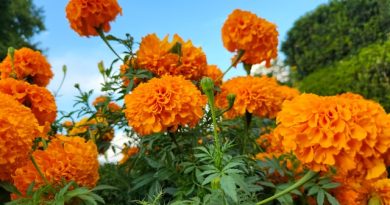
- Plant flowers that attract them, like fennel, dill, yarrow, or marigolds. I’ve found that letting some “weeds” like dandelions bloom can also help because they provide early-season nectar.
- Avoid insecticides. Even organic sprays can harm these helpful bugs.
- Provide water sources in shallow dishes or small bowls, which help them stay in your garden longer.
I remember one year I had a huge aphid outbreak on my spinach. Instead of spraying, I planted a few rows of dill nearby. Within a week, ladybugs appeared, and the aphids started disappearing almost overnight. The key is to be patient and let nature take its course. You’ll notice your garden feels more alive too, with all sorts of little insects buzzing around, and it’s satisfying knowing you’re supporting the ecosystem.
Homemade Garlic and Chili Sprays: A Strong Deterrent
If soap sprays aren’t enough, you can make your own natural repellents using garlic or chili. Aphids hate strong-smelling compounds, and these sprays can deter them without harming your plants. The nice thing about these recipes is that they’re flexible—you can adjust the strength based on your plants’ tolerance.
Garlic Spray
- Crush 3–5 cloves of garlic and mix with 1 liter of water.
- Let it sit for 24 hours.
- Strain the mixture and pour it into a spray bottle.
Chili Spray
- Blend 2–3 fresh chili peppers with 1 liter of water.
- Let the mixture sit for a few hours.
- Strain and spray directly on aphid-affected areas.
I often combine garlic and chili if the infestation is persistent. These sprays don’t kill aphids instantly like chemical sprays, but they discourage them from feeding and reproducing. Plus, they’re edible-safe, so I feel confident using them on vegetables and herbs.
The only precaution is to avoid spraying during the hottest part of the day, as strong compounds can sometimes burn leaves. Also, always wear gloves when handling chili sprays, because they can irritate skin and eyes.
Physical Removal: Sometimes Old-School Works Best
Sometimes the simplest solution is just to get your hands dirty. Aphids are small and slow, which makes them surprisingly easy to remove with manual methods if the infestation isn’t overwhelming.
Practical Techniques
- Use a strong jet of water to wash aphids off leaves. I keep a small hand pump sprayer just for this. It’s satisfying to see the aphids tumble off without harming the plant.
- Prune heavily infested leaves or shoots. This is especially useful for young plants that can’t handle heavy infestations.
- Simply squish them. I know it sounds unpleasant, but sometimes it’s the fastest way to reduce numbers.
I like combining physical removal with other methods. For example, after spraying a garlic solution, I go through and prune or rinse the worst-hit areas. This combination often brings aphid numbers down quickly. The benefit of this approach is that it costs nothing and doesn’t introduce anything foreign into the garden.
Experimentation is Part of the Fun
What I love about managing aphids naturally is that there isn’t a single “right” method. Every garden, plant, and season is different. Some years, soap sprays are enough. Other years, natural predators make the biggest difference. And sometimes, a combination of garlic sprays and physical removal works best.
I encourage every home grower to experiment. Start small and observe how your plants respond. Take notes, tweak recipes, and don’t be afraid to mix methods. I’ve found that rotating strategies also prevents aphids from becoming too resilient to any single approach.
One important thing I’ve learned is that patience pays off. Natural methods rarely produce instant results like chemical sprays. But with persistence, you’ll notice healthier plants, more robust growth, and a garden ecosystem that thrives. It’s rewarding to see aphid populations controlled naturally, and you can do it on a budget, using things you already have at home.
The Takeaway: Sustainable, Cheap, and Fun
Aphids can be frustrating, but they’re manageable without resorting to harsh chemicals. Homemade soap sprays, attracting beneficial insects, garlic and chili repellents, and physical removal are four strategies that really work if you’re willing to experiment and observe your garden.
The key is to start small, test different approaches, and be consistent. Keep an eye on your plants, mix and match methods, and you’ll find a routine that fits your garden. The beauty of these techniques is that they’re cheap, safe, and even fun to experiment with. And by using eco-friendly solutions, you’re protecting the insects, soil, and water around your home while growing healthy, vibrant vegetables.
At the end of the day, aphid control doesn’t have to be a stressful chore. It can be a hands-on, creative part of gardening, where each season teaches you something new. So grab your spray bottle, mix up some garlic or soap, and let your garden thrive naturally.