Keeping a Poinsettia Alive Long After Christmas
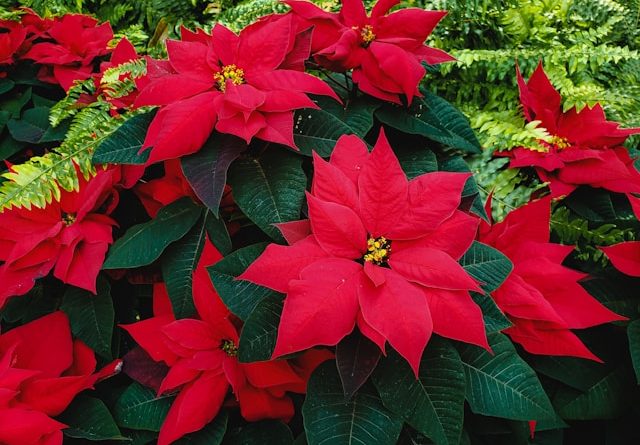
Photo by Jeffrey Hamilton on Unsplash
Every year, right around mid-December, the poinsettia takes center stage in living rooms, shop windows, and holiday tables. It’s one of those plants that somehow ended up carrying the weight of the whole season on its bracts, and most people treat it like a short-term decoration rather than a living plant. I’ve lost count of how many friends have told me they “just can’t keep a poinsettia alive,” as if it were some mysterious, impossible creature that dies the moment the new year begins. But the truth is, the poinsettia isn’t fragile at all. It simply has its own preferences, and once you understand them, you can keep it thriving long after the holiday lights come down.
I grow a lot of plants—vegetables, flowers, herbs, whatever fits in the space each season—but the poinsettia holds a special spot because it feels like a challenge I happily accept every winter. Keeping a poinsettia alive is not complicated; it just asks you to slow down, pay attention, and give it something close to the environment it enjoys.
Understanding What a Poinsettia Actually Wants
The poinsettia has a reputation for being dramatic, mostly because people treat it like a disposable ornament. It’s not a pine tree branch stuck in a pot; it’s a living tropical shrub originally from Mexico. In its natural environment, it grows in warm conditions with bright light and regular moisture. Once you frame it that way, the typical post-holiday problems start making sense.
Most poinsettias die in January simply because they were grown in a warm greenhouse, transported through cold air, then placed in a dim corner of a room where the heating system dries the air and the watering routine swings between desert and swamp. Any plant would struggle with that. But if you keep its roots warm, give it steady light, and water it sensibly, you’ve already solved most of the issues.
When I bring home a poinsettia, the first thing I do is remove any foil wrap around the pot. Those decorative sleeves trap water and drown the plant, and more poinsettias die from root rot than anything else. The second thing is finding a spot where it gets bright natural light without being blasted by direct midday sun. They like warmth but not overheating, light but not scorch, moisture but not soggy soil. It sounds picky, but once you get the balance right, the plant settles in and behaves beautifully.
Keeping It Happy Through Late Winter and Spring
Once the holiday excitement is gone and the cookies are finished, the poinsettia becomes just another houseplant on the shelf. This is where most people lose interest, but this is also when the plant actually becomes easier. The bracts—the colorful red, pink, or white leaves—eventually fade, and that’s normal. The poinsettia isn’t dying; it’s simply done with its seasonal show. I usually let the plant rest, which means gentle watering when the top of the soil feels dry and enough light to keep it from stretching weakly toward the window.
Sometime in early spring, it starts pushing out fresh green growth. This is when I trim it back a bit to encourage a fuller shape. Trimming might feel drastic to new growers, but it helps the plant maintain a compact, healthy habit. If you’ve ever seen a poinsettia grown outdoors in a warm climate, you’d be surprised at how big they can get. Indoors, regular pruning keeps them manageable.
Spring and summer care is simple: keep the soil slightly moist, not soaked. Bright light is your friend. A little fertilizer every now and then helps, but it doesn’t need anything fancy. I treat mine like I treat my other leafy plants during the warm months. It’s adaptable as long as you don’t let it bake on a hot windowsill or sit in water.
By summer, most poinsettias are fully green, and some gardeners lose interest because the holiday look is gone. But if you stick with it, you end up with a surprisingly beautiful plant that adds texture and presence to your indoor space. And if you grow vegetables and flowers like I do, you start to appreciate the simple pleasure of keeping a plant alive across seasons, long after most people have tossed theirs into the compost.
The Trickiest Part: Getting It to Color Up Again
The part everyone talks about with poinsettia care is the famous “dark treatment.” This is where people either get excited or give up entirely. To get those bright colored bracts for the next holiday season, the plant needs a series of long nights and short days during early autumn. It’s not difficult, but it does require consistency.
Starting around the end of September, I give the plant about fourteen hours of uninterrupted darkness each night. Some gardeners use a box; others move the plant to a closet. I usually cover it lightly or place it somewhere out of the way. The most important part is avoiding accidental light, even brief exposure, because the plant is sensitive to the photoperiod. During the day, it goes back to a bright room like any other plant.
The process continues for about eight weeks, and then, almost magically, the bracts begin to color. There’s something very satisfying about watching a poinsettia you cared for all year begin to shift from green to deep red or whatever color variety you grow. It feels like a seasonal reward, something earned rather than bought.
I want to be clear about one thing: you can absolutely keep a poinsettia alive without ever forcing it to color again. If all you want is a healthy green plant, that’s perfectly fine. The poinsettia doesn’t mind. But if you enjoy the challenge, the coloring process becomes almost meditative. It teaches patience, routine, and observation—all qualities that spill over into every other aspect of gardening.
Why Keeping a Poinsettia Alive Is Worth It
Some people ask me why I even bother. Why not just buy a new one every year and skip the work? For me, the poinsettia represents something bigger than the holiday season. It’s a reminder that plants are not decorations. They live, respond, and adapt. Caring for one beyond December honors the plant itself and encourages a deeper relationship with growing things.
Keeping a poinsettia alive teaches you how to notice subtle changes in leaves, soil, and light. It builds confidence because once you succeed with it, you feel capable of handling almost any houseplant. It also feels good to break the throw-away cycle. There’s something grounding about watching the same plant carry you from winter to spring, through summer heat, into fall, and back into the next holiday season.
And honestly, a poinsettia that you’ve kept alive all year looks different. It feels different. It carries a story. When visitors notice it in November and ask how it’s already coloring up, you get a small victory moment that’s hard to replicate with a store-bought plant.
Growing vegetables and flowers outside has taught me that everything seasonal moves in cycles. Keeping a poinsettia alive past Christmas fits perfectly into that rhythm. It’s a quiet project that connects the end of one year to the beginning of another.
The Beauty of Long-Term Plant Care
At its heart, caring for a poinsettia is about paying attention. It’s about giving a tropical plant a comfortable home in a temperate living room. It’s about accepting that a plant can rest, grow, change, and surprise you if you give it time. When you care for it month after month, it becomes more than a holiday decoration; it becomes part of your indoor garden.
If you’ve struggled with poinsettias before, try again with fresh eyes. Remember where they come from, what they need, and how they behave across the seasons. The poinsettia isn’t delicate—it’s misunderstood. And once you understand it, keeping it alive long after Christmas becomes one of the most enjoyable plant challenges you can take on.
In the end, it isn’t just about maintaining a plant; it’s about keeping a bit of color, warmth, and life with you long after the holidays fade.