Why Organic Seeds Matter, and Why They Sometimes Don’t
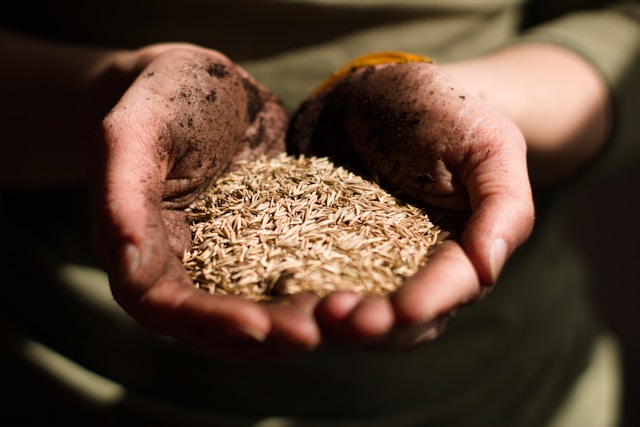
Photo by Vince Veras on Unsplash
I’ve been growing vegetables and flowers for long enough to watch gardening trends come and go. One year everyone insists you must grow heirlooms or you’re missing the point. Another year hybrids are suddenly the heroes. And for the last decade or so, organic seeds have taken their turn in the spotlight. You see them everywhere now, often with a slightly higher price and a promise that choosing them makes you a better gardener or a more responsible human being.
I grow a lot. Tomatoes, beans, squash, flowers, herbs, anything that fits into a season. And like everyone else, I’ve had to decide whether organic seeds actually matter or whether regular seeds are perfectly fine. After many seasons, my answer lands somewhere in the middle. Organic seeds have real value, but they’re not magic. And understanding that middle ground is exactly what helps gardeners choose wisely without getting overwhelmed.
What Organic Seeds Really Are
To understand organic seeds, you have to start with how they’re produced. Organic seeds come from plants grown under certified organic conditions. That means no synthetic fertilizers, no chemical pesticides, and no treated seed coatings. In theory, the plants that produced these seeds adapted to a life without quick chemical fixes. They had to deal with real soil, real pests, and all the other natural challenges gardeners face. That alone gives organic seeds a certain appeal.
There’s also the philosophical side. Buying organic seeds supports farmers who grow seed crops responsibly. It creates a market for sustainable farming. And if you garden organically, starting with organic seeds feels like a natural extension of your values. You’re aligning your garden with the same methods used to produce your vegetables in the first place.
But here’s where things get interesting. The seed in your hand doesn’t contain fertilizer or pesticides. It’s just a seed. A regular tomato seed and an organic tomato seed look identical, sprout the same way, and grow into the same kind of plant. The difference is how the mother plant was grown, not some special trait inside the seed itself. That doesn’t mean the organic version is meaningless. But it does mean the real benefit is more about philosophy and long-term sustainability—not immediate performance in your garden.
Why Some Growers Swear by Organic Seeds
I’ve talked to gardeners who refuse to grow anything but organic seeds. For them, the decision is part principle and part practicality. They love the idea that the seeds come from plants grown in real conditions, not synthetic ones. They believe these seeds grow into stronger, more resilient plants because their parent plants had to fend for themselves.
There is some truth in the idea that seeds adapt to their environment. Grow a plant in tough conditions for several generations and you eventually get lines that handle stress better. It’s the same reason local seed companies can sometimes offer varieties that thrive in your specific climate. Organic seeds often come from these kinds of growing situations, where the plants aren’t pampered. They’re tested by nature instead of chemicals.
I’ve noticed that organic seeds for certain crops—especially herbs, leafy greens, and some flowers—do seem to have a bit more vigor. It’s not dramatic, but the seedlings feel sturdy, not spindly or over-sheltered. Of course, that could be the variety, not the organic certification. Seed quality varies across companies, and organic or not, you still need good genetics behind the seed.
Another point in favor of organic seeds is trust. When I buy an organic seed packet, I know it hasn’t been treated with fungicides, coatings, or chemical dips. For people who want a clean start and prefer to avoid those treatments, organic seeds eliminate that concern immediately.
When Regular Seeds Work Perfectly Fine
Now for the other side of the discussion. For many gardeners, regular seeds are reliable, affordable, and easy to find. If you’re growing vegetables simply to feed your family or to enjoy the harvest, regular seeds don’t make you a less committed gardener. Most seeds sold today, even non-organic ones, are grown under fairly careful conditions. They’re monitored, cleaned, dried, and tested for germination. The idea that non-organic seeds are somehow “bad” is simply not true.
There’s also the cost factor. Organic seeds tend to be more expensive, and that difference adds up quickly when you’re starting dozens of tomatoes, peppers, flowers, or salad greens. Not every gardener wants to pay extra when the practical differences in performance may be small or nonexistent.
And then there are hybrids. Some of the best-performing garden varieties—especially disease-resistant tomatoes, cucumbers, squashes, and melons—are hybrids. Many of these are not available as organic seeds, or if they are, they can be hard to find. If you grow in a place where summer diseases show up like clockwork, choosing a strong hybrid might give you more success than choosing an organic seed of a weaker variety.
I’ve grown both types for years, and some of my best harvests came from regular seeds. In my experience, the quality of the seed company matters more than the certification. A good seed house with strong breeding programs will give you better results than a weak company that happens to have an organic label.
The Real Question: What Kind of Gardener Do You Want To Be?
When people ask me whether they should switch to organic seeds, I always ask them what matters most to them as growers. Do they want to support organic farming? Do they prefer untreated seed? Do they believe in building a garden ecosystem that relies on natural resilience instead of synthetic inputs? If so, organic seeds are a great choice.
But if someone just wants healthy plants, good yields, and a dependable harvest, they shouldn’t feel pressured to choose organic seeds out of guilt. It’s not a moral test, and gardening shouldn’t feel political or intimidating. The point of growing your own food is to enjoy it, not worry about labels.
For me, the decision changes year to year. Some seasons I lean more toward organic seeds because I want to support the growers behind them and because I appreciate how they fit into my gardening style. Other years I want a tomato variety that’s only available as a hybrid in regular seed form, and I buy it without hesitation. It doesn’t make me less committed to good gardening.
The Balance Most Gardeners Eventually Find
After enough seasons, most gardeners settle somewhere in the middle. They buy organic seeds for things like herbs, greens, and flowers they grow without any synthetic inputs. They buy regular seeds when the variety is stronger, more productive, or simply easier to find. They stop worrying about doing everything “right” and start choosing what genuinely works.
Organic seeds are a great option, but they’re not the only smart option. What matters is understanding what you’re buying, not just reacting to a label. When you know the difference, you can make an informed choice that fits your garden, your budget, and your values.
I’ve grown beautiful crops from organic seeds and beautiful crops from regular seeds. What made the biggest difference wasn’t the certification—it was good soil, steady watering, thoughtful care, and a gardener willing to pay attention.
And that’s really the heart of gardening. Seeds matter, but not as much as the hands that sow them. If you choose organic seeds because it feels right to you, that’s wonderful. If you choose regular seeds because they make sense for your garden, that’s perfectly fine too. The important part is that you’re growing something, learning as you go, and enjoying the process season after season.
Organic or not, the seeds you plant grow into food, flowers, and memories. And that’s what keeps us all coming back to the garden.