Sprouting at Home: A Simple Habit That Can Change the Way You Eat
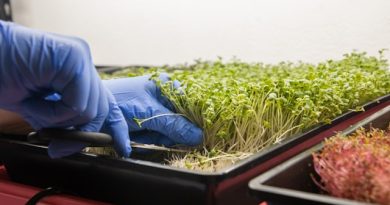
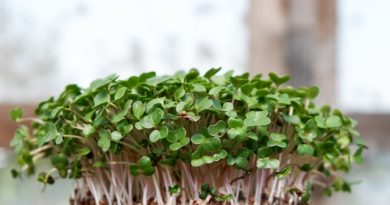
Photo by Milada Vigerova on Unsplash
Sprouting is one of those quiet kitchen tasks that feels almost old-fashioned, yet it fits perfectly into modern life. It asks for very little space, almost no equipment, and barely any time. Still, the reward is fresh, crunchy sprouts packed with life and nutrients. When I started sprouting, I treated it like a side project to my garden, something to do when winter days got too long and the soil outside was still cold. Over time, it grew into a routine I genuinely enjoy. If you’ve ever looked at the price of store-bought sprouts or wondered how clean they really are, doing it yourself at home makes even more sense.
Sprouting is simple, but it’s not something to do carelessly. Because seeds wake up in warm, moist conditions, the same conditions that can help bacteria grow, hygiene and the choice of seed matter a lot. Once you get the basics down, though, sprouting becomes second nature, and you end up with jars of fresh greens that taste far better than anything you can grab from a shelf.
Understanding Sprouting Before You Begin
At its core, sprouting is nothing more than encouraging seeds to germinate slightly and then harvesting them young. The seed holds everything the tiny plant needs to start growing: energy, nutrients, and that unmistakable crispness that only appears during this short stage of life. This is why sprouting has such a reputation for being healthy. You’re eating a plant at the moment it’s bursting into life.
Different seeds behave in different ways when sprouted. Alfalfa grows light and airy, mung beans stay crunchy, radish sprouts bring a surprising bite, and lentils turn into small, earthy morsels. The idea is the same for all of them, but the timing and flavor vary, which is part of the fun.
There’s something deeply satisfying about watching seeds swell, crack open, and then turn into little threads of green. It reminds me that growth doesn’t always require a big garden. Sometimes it only takes a jar, some water, and a bit of consistency.
Why You Should Never Ignore Good Seed and Clean Habits
If there’s one part of sprouting that people underestimate, it’s seed quality. Not every seed is meant for sprouting. When you garden, seeds are often treated to prevent spoilage or coated with substances to help them store longer. These aren’t things you want to soak and eat. Sprouting seeds are grown and processed with the intention of being consumed raw, which means they’re carefully handled and tested for safety.
Choosing good seed isn’t about being fancy; it’s about protecting your health. Sprouting seeds should come from a source you trust and be labeled specifically for sprouting. The difference is not just marketing. Sprouting happens in warm, moist environments—exactly the environment where unwanted bacteria thrive if the seed wasn’t clean to begin with.
Then there’s hygiene. It doesn’t have to be complicated, just consistent. Wash your hands before handling anything. Wash your sprouting jars. Rinse your sprouts twice a day. Make sure the jar drains well and sits upside down at an angle so no water collects at the bottom. If sprouts ever look slimy, smell odd, or turn mushy, compost them and start again. A fresh batch only takes a few days, so nothing is lost.
The good news is that once you get into the rhythm of sprouting, cleanliness stops feeling like a chore and becomes part of the simple ritual.
How to Start Sprouting Without Overthinking It
You don’t need special sprouting equipment, though many people eventually buy sprouting lids or stackable trays because they make the process easier. But a clean glass jar and a piece of breathable fabric or mesh can work just fine. Put a small amount of seed in the jar—far less than you think, because sprouts multiply in volume—soak them overnight, then drain them. From there, the routine is rinse, drain, repeat. Most sprouts are ready in three to five days.
The real art is in getting the feel for when they’re done. Some people like very young sprouts. Others like to wait until the leaves just begin to green. There is no wrong choice. Sprouting at home gives you an excuse to taste and decide for yourself instead of being stuck with whatever the store packaged.
What I enjoy most is how forgiving the process is. If you forget a rinse, usually nothing terrible happens. If the sprouts grow faster than expected, you simply harvest early. If you want a break, you stop sprouting for a few days. It’s gardening with all the patience and none of the heavy lifting.
Eating Sprouts and Keeping the Habit Going
Once you start sprouting, you’ll probably find ways to use them without trying very hard. Toss them on sandwiches, mix them into salads, stir them into warm rice bowls just after cooking, or blend them into smoothies. Radish sprouts give meals a little heat, while sunflower sprouts taste nutty and mild. It becomes easy to tailor flavors to whatever you’re cooking.
Part of the charm of sprouting is how quickly you see results. In the garden, everything takes time. Seeds need weeks, sometimes months, before you get to enjoy the harvest. With sprouting, you see change daily, and you eat the reward in under a week. It’s a small but satisfying kind of instant gratification.
If you like structure, you can sprout different seeds on a rotating schedule so fresh sprouts are always ready. If you prefer to keep it casual, sprout a jar whenever the mood hits. Either way works.
The Beauty of Sprouting on a Budget
For anyone growing food on a budget, sprouting is one of the easiest ways to add something fresh and nutrient-rich to your meals without spending much at all. A small bag of sprouting seeds lasts a long time and produces a surprising amount of food. It doesn’t require electricity, outdoor space, or gardening experience. It also doesn’t punish mistakes. If a batch fails, it’s only a few grams of seed lost, not an entire season.
This makes sprouting accessible to people with tiny kitchens, small households, or busy schedules. It’s not a replacement for gardening, but it feels like an extension of it. If you already garden, it keeps you connected to plants even when the weather says otherwise. If you’re new to growing food, it’s a gentle way to start.
Sprouting as a Daily Habit
Sprouting sits somewhere between gardening and cooking, and that’s what makes it special. It teaches you patience without demanding much of it. It encourages you to slow down, even just for a moment, while you rinse the seeds and inspect their growth. You start paying attention to the tiniest changes. You learn to appreciate how quickly life appears when you give it a little encouragement.
Once you’ve sprouted your own seeds a few times, it becomes difficult to go back to store-bought versions. They never seem as fresh, and you don’t know how long they’ve been sitting in the package. When you grow them yourself, you know exactly how they were handled from start to finish.
Sprouting is simple, nourishing, and quietly joyful. And in a world that often feels too fast and too noisy, sometimes it’s these small habits that make the biggest difference.
If you’ve been thinking about sprouting but haven’t tried it yet, start with one jar. Just one. You might be surprised at how quickly it becomes part of your day.