Five most interesting types of basil to grow at home
Photo by Tatevik Vardanyan on Unsplash
If you’ve ever grown a pot of classic sweet basil on your windowsill, you already know how satisfying it feels to pinch off a few leaves for a quick dinner. But basil is far more than the green, familiar version most of us use in pasta and pesto. There are dozens of varieties out there, each with its own aroma, flavor, color, and personality. Exploring them feels like stepping into a different garden world, full of surprises you can taste.
As someone who has grown herbs for years, I’m still amazed by how different one basil can be from another. One smells like lemon candy, another like cloves. Some are tall and dramatic, others stay compact and cute. Some make the best pesto you’ll ever taste, while others are perfect for teas or desserts.
If you’ve only grown the common type, this is your sign to try something new. Here are the five most interesting basils I think every curious home grower should experiment with at least once. They’re all easy to grow, fun to cook with, and full of character.
Genovese basil – the classic that teaches you how good basil can really be
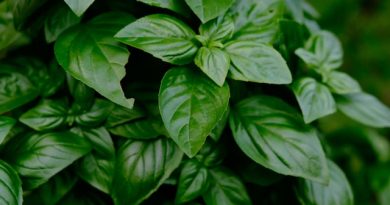
Let’s start with the one most people recognize: Genovese basil. Even though it’s the familiar type, it deserves a place on this list because it’s the standard by which all the others are measured. If you’ve never tried a proper, full-flavor Genovese variety, you might be surprised by just how rich and fragrant it can be.
Genovese basil has large, soft leaves and a strong aroma that hits you the moment you brush your hand across the plant. It’s naturally sweet, with a warm, peppery undertone that makes it ideal for pesto. When you grow it yourself, especially outdoors in the summer sun, it becomes even more flavorful than anything you can buy.
One thing I love about Genovese basil is how generous it is. The more you pick it, the more it grows. Pinch the tops regularly and you’ll end up with a full, bushy plant that can feed you all season. If you’re new to trying different basils, this one is the perfect base to compare everything else to. After all, knowing the “classic” helps you understand the unique quirks of the more unusual varieties.
Lemon basil – like sunshine in leaf form
Lemon basil is one of the most refreshing herbs you can grow. When you rub a leaf between your fingers, the smell is sharp, bright, and clean—like someone squeezed a lemon right under your nose. It’s not artificial or harsh; it’s a soft lemon scent with a hint of sweetness.
The first time I grew lemon basil, I kept walking past it just to smell it. It’s that pleasant.
In the kitchen, lemon basil is a game changer. It works with dishes that normal basil doesn’t always match: grilled fish, iced teas, salads, sorbets, and even simple water infusions. If you’re someone who enjoys citrusy flavors, this basil will become one of your favorites.
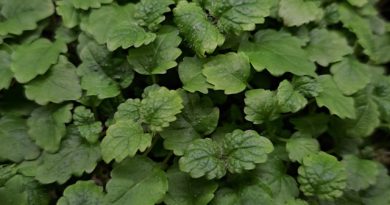
In the garden, lemon basil grows slightly narrower leaves and has a lighter, more delicate look. It handles heat well and stays productive if you harvest regularly. It’s also great in pots, so even if you only have a balcony, you can grow it with ease.
One tip: lemon basil tends to flower faster than some other varieties, so keep pinching off the flower buds unless you want it to go to seed. The more you pinch, the bushier and more fragrant it becomes.
Purple basil – the showstopper that tastes as good as it looks
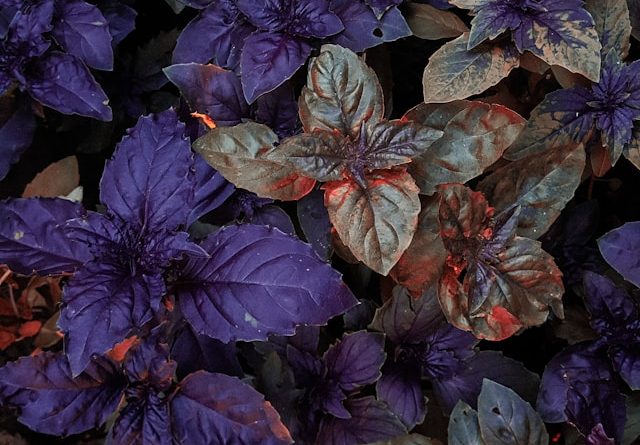
If you want a basil that makes people stop and ask, “What is that?”, grow purple basil. Its deep burgundy leaves look almost black in the right light, and it brings a dramatic touch to any herb garden. But purple basil isn’t just about looks—it has a bold, slightly spicy flavor that’s different from the typical sweet basil.
There are several types of purple basil, but most share the same characteristics: they’re a bit less sweet, a bit more peppery, and the leaves are often thicker. Some cooks use them purely for color, sprinkled over dishes to add contrast. Others make a stunning purple pesto or add the leaves to salads for a splash of unexpected color.
I love using purple basil in homemade vinegar. After a few weeks of steeping, the vinegar turns a beautiful red-pink shade and takes on a gentle basil flavor. It looks impressive without any extra effort.
Purple basil likes warm weather and full sun, which help deepen the leaf color. If it doesn’t get enough light, it can fade to greenish tones. Give it a sunny spot, keep it watered, and it will reward you with both beauty and flavor all summer.
Thai basil – the variety that opens a whole new world of flavor
If you enjoy cooking Asian food—or want to learn—Thai basil is an absolute must. It tastes nothing like the typical Italian-style basil. Instead, it has a sweet, anise-like flavor with a bit of spice to it. When you add Thai basil to a steaming pan of stir-fry, the smell rises like a wave and instantly makes the dish feel authentic.
Thai basil has more structure than soft-leaf basils; the stems are firmer and the leaves are slightly tougher. They hold up well in hot dishes, which is exactly why they’re so good for soups, noodles, curries, and stir-fries. The flavor stands its ground even after cooking, something sweet basil can’t always manage.
Growing Thai basil is simple. It’s heat-loving, it grows quickly, and it branches out beautifully if you keep harvesting the tops. It also produces purple-tinted stems and flower buds, which make the plant attractive even when you’re not cooking with it.
I always keep a pot of Thai basil on my porch in summer. Whenever I need a quick dinner, I stir-fry some vegetables, toss in a handful of Thai basil, and suddenly the meal tastes like it took hours instead of minutes. It’s one of the most rewarding herbs you can grow.
Holy basil (Tulsi) – the aromatic, uplifting variety with a long history
Holy basil, also called Tulsi, is one of the most unique basils you can bring into your garden. It’s not used in cooking as much as the other varieties, though you can use it in some dishes. Its real magic is in its aroma and tea.
Holy basil doesn’t smell like typical basil at all. It has a warm, almost clove-like scent mixed with a bit of pepper and earthiness. When made into tea, the flavor is calming and grounding. Many cultures grow Tulsi not just as a herb, but as a plant with spiritual importance.
One of the most pleasant things about holy basil is how it fills the air. If you walk by it on a warm day, the scent lingers in the garden. I like to plant it near seating areas or paths so I can enjoy the aroma without even touching it.
Tulsi grows fast, branches well, and tolerates heat better than many other basils. Even when it flowers, which it does readily, the leaves stay useful for tea. If anything, the flowers make the plant even more fragrant. Harvest a handful of leaves, dry them, and you’ll have a personal supply of Tulsi tea for months.
If you want to grow a basil that feels a little different and brings something deeper to your garden, holy basil is a wonderful choice.
Experiment, taste, and enjoy the diversity
Growing these different types of basil changed the way I think about herbs. Before, basil was just “sweet basil,” something I planted every year without much thought. Now my garden feels more alive, because each basil brings its own character—different colors, shapes, scents, and flavors.
Even if you’re growing in pots on a balcony, you can try at least two or three of these varieties. They’re inexpensive, easy, and surprisingly rewarding. The fun part is discovering how each one works in your kitchen. Make lemon basil lemonade. Try a purple pesto. Add Thai basil to a quick stir-fry. Brew your own holy basil tea. Or, of course, stick to the trusted Genovese for the perfect summer pasta.
Herbs should bring joy, and basil—especially when you explore its many forms—does exactly that. So if you’re looking for a simple, affordable way to add more flavor, color, and fragrance to your home garden, start with these five basils. You might be surprised how much variety can grow from just one familiar plant.
Let your garden smell like something new this year. Experiment, taste, and enjoy the adventure.