The Secret Life of Lemon Balm: More Than Just a Tea Herb
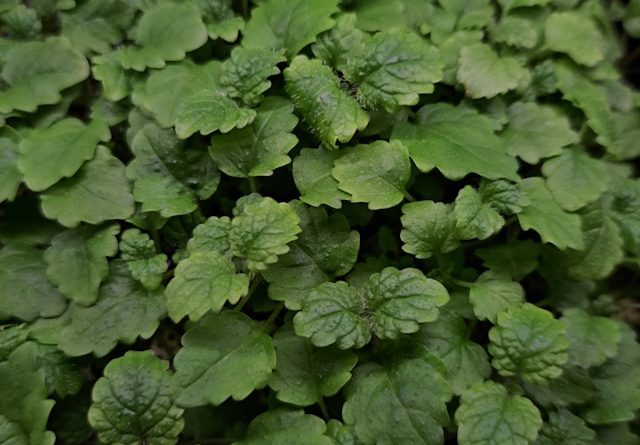
Photo by Bori Balogh on Unsplash
If you’ve been gardening for a while, you probably know lemon balm as that wonderfully fragrant herb that brightens up teas and desserts. But for anyone willing to dig a little deeper, lemon balm (Melissa officinalis) has a story and personality all its own. It’s hardy, persistent, and surprisingly versatile. Over the years, I’ve grown it in containers, garden beds, even tucked into corners where other herbs struggle, and I’ve learned a few tricks that make it thrive without taking over the whole garden.
In this article, I want to share what I’ve discovered about growing, maintaining, and creatively using lemon balm. More than just a guide, this is a love letter to one of my favorite herbs — the one that can lift your spirits with a single leaf.
Why Lemon Balm Deserves a Spot in Every Garden
Lemon balm is part of the mint family, and that gives it a few defining traits: it spreads quickly, has strong, fragrant leaves, and grows like it wants to take over if left unchecked. But unlike some of its wilder mint relatives, lemon balm has a softness to it. The leaves smell of lemon without being overpowering, the flowers attract pollinators, and the plant itself seems to have a calming presence in the garden.
I first started growing lemon balm over a decade ago. I planted a single small seedling in a sunny corner of my raised bed. Within a few months, it had sent shoots in every direction. I panicked at first, fearing it would strangle my young parsley and chives, but instead, I learned that lemon balm’s spread can be managed — and even welcomed — if you understand its growth patterns.
Beyond aesthetics, lemon balm has practical uses. It’s traditionally used to calm nerves, aid digestion, and soothe minor skin irritations. I personally harvest leaves for teas, tinctures, and even homemade ice cream. Its versatility is part of what makes it a staple in my herb garden.
How Lemon Balm Spreads and Why Control Matters
Like other members of the mint family, lemon balm spreads through rhizomes — underground stems that send up new shoots wherever they go. Left unchecked, these rhizomes can quickly colonize your garden, even sneaking into neighboring beds. I’ve lost count of the times I found a lemon balm sprout pushing up next to my carrots or spinach, seemingly out of nowhere.
The first lesson with lemon balm is: don’t underestimate it. Even a single root fragment left in the soil can regrow into a full plant. Over time, you’ll realize that controlling the plant isn’t about stopping it entirely — it’s about guiding it to where you want it to grow.
From my experience, there are three strategies that work well: containment, regular pruning, and careful harvesting.
Containment: Keep Lemon Balm Where You Want It
If you want a dense, manageable patch of lemon balm, the easiest way is to keep it contained. Containers, raised beds, or even root barriers can work. I’ve grown lemon balm in everything from old ceramic pots to repurposed wooden crates, and the plant responds wonderfully as long as it has enough soil and sunlight.
When growing in a container:
- Choose one at least 20–25 cm deep to allow roots to spread downward without hitting the sides too quickly.
- Make sure it has drainage holes to avoid waterlogging.
- Place it somewhere sunny or partially shaded; lemon balm tolerates partial shade better than most mint relatives.
For in-ground planting, a simple DIY root barrier can prevent your lemon balm from sneaking into unintended spaces. I’ve used old storage bins with the bottoms removed, buried vertically in the soil to form a circular wall around the plant. This approach keeps rhizomes contained while still allowing enough room for the plant to thrive.
Even with containment, occasional vigilance is necessary. A stray shoot may appear beyond the barrier, and it’s easy to nip it in the bud before it takes root. Over time, you learn to recognize where lemon balm likes to send its rhizomes and can intercept them early.
Pruning and Harvesting: Double Duty for Control and Use
Regular pruning is a gardener’s best friend when it comes to lemon balm. Not only does pruning help control spread, but it also encourages bushier, healthier growth. I usually prune my lemon balm once or twice a month during the growing season.
Here’s my routine:
- Snip back the top third of the plant, focusing on any long, leggy stems.
- Remove any flowers if you want to prolong leaf growth. Lemon balm flowers are beautiful, but once the plant starts seeding, it can divert energy from leaf production.
- Collect the trimmed leaves for tea, garnishes, or homemade herb butter.
Pruning becomes a ritual — a chance to interact with the plant and harvest at the same time. I often bring a small basket outside, snip a handful of leaves, and brew a fresh cup of lemon balm tea while I survey the garden. This habit keeps the plant productive and prevents it from wandering too far.
Creative Ways to Use Lemon Balm
Lemon balm isn’t just a pretty face in the garden. Its fragrance and flavor open up many possibilities beyond traditional teas. Here are some of my favorite ways to use it:
- Teas and Infusions: Fresh or dried leaves steep beautifully for calming herbal teas. Add a bit of honey or mint for extra flavor.
- Cooking: Chop leaves into salads, vinaigrettes, or sauces. I like adding it to summer fruit salads, where its lemony aroma complements berries and stone fruits.
- Desserts: Lemon balm works surprisingly well in desserts — ice cream, sorbets, custards, and shortbreads all benefit from a subtle herbal note.
- Homemade Extracts: Infuse lemon balm in alcohol or vinegar for a concentrated flavor boost. I often make a simple extract in the summer and use it in cocktails or as a drizzle over fresh fruit.
- Aromatic Uses: Dry leaves for sachets, add them to homemade candles, or crush them into oils for mild perfumes. The scent is gentle but unmistakable.
In my experience, the best part of using lemon balm creatively is that you can experiment without risk. The plant is resilient, so even if one batch of tea or extract turns out less flavorful than expected, you have plenty more leaves to try again.
Companion Planting with Lemon Balm
Another aspect of lemon balm that surprises many gardeners is its usefulness in the garden ecosystem. Lemon balm attracts pollinators like bees and butterflies, which can help boost fruit and vegetable production nearby. Its strong scent may also repel certain pests, making it a natural addition to vegetable beds.
From personal experience:
- Planting lemon balm near tomatoes and peppers seems to encourage bees and other pollinators. I notice a higher fruit set in those areas compared to spots without lemon balm.
- Some gardeners suggest it deters aphids, although results vary. I’ve found it works best when combined with other companion herbs like basil or chives.
- Lemon balm also grows well alongside chamomile, calendula, and other herbs that attract beneficial insects.
By thinking of lemon balm as both a culinary herb and a garden ally, you can create a patch that’s functional, fragrant, and aesthetically pleasing.
Growing Challenges and Lessons Learned
Despite its resilience, lemon balm does have some challenges. Here’s what I’ve learned over years of growing it:
- Powdery Mildew: If air circulation is poor or humidity is high, leaves can develop powdery mildew. Regular pruning and spacing plants properly usually prevents this.
- Overgrowth: Without pruning or containment, lemon balm will push into paths and neighboring beds. I’ve learned that a little daily vigilance goes a long way.
- Winter Care: In colder climates, leaves die back but roots survive. I usually leave some mulch around the base in late fall to protect roots and avoid aggressive winter dieback.
Experimenting with spacing, soil type, and pruning frequency is part of the fun. I’ve had lemon balm plants thrive in sandy soil, heavy clay, and even partially shaded corners. Every garden teaches you something different about how this plant grows.
Encouraging Exploration and Creativity
One of my favorite aspects of growing lemon balm is how forgiving it is. Unlike fussy tropical plants or delicate seedlings, lemon balm can handle experimentation. I’ve tried growing it in raised beds, containers, shared garden beds with other herbs, and even vertical planters. Each setup taught me something new about its growth habits, flavor profile, and spread.
For home growers, the key takeaway is this: don’t be afraid to experiment. Try different containers, pruning methods, and companion plants. Observe how the plant reacts. Take notes. Lemon balm rewards curiosity. Even if a method doesn’t work perfectly, you can always adjust next season.
Budget-conscious gardeners will appreciate that lemon balm doesn’t require expensive soil amendments, elaborate setups, or constant attention. A little water, some sunlight, and occasional pruning are enough to keep it happy. Repurposing containers, crates, and other materials often works better than store-bought solutions — and it makes the gardening process more creative and personal.
Lemon Balm as a Garden Companion and Culinary Treasure
Lemon balm is more than just a tea herb. It’s a resilient, fragrant, and versatile plant that can be a joy to grow for beginners and experts alike. Its spreading nature is both a challenge and a gift: controlled properly, it provides abundant leaves for culinary, medicinal, and aromatic uses, while also contributing to the health of your garden ecosystem.
The lessons I’ve learned over years of growing lemon balm boil down to three main points:
- Containment and pruning are essential — whether in containers, raised beds, or in-ground patches.
- Experimentation pays off — different setups, harvesting methods, and companion planting ideas lead to better growth and more uses.
- Enjoy the process — harvesting leaves, brewing teas, and seeing pollinators visit your plants makes the effort worthwhile.
For any home gardener looking for a plant that is forgiving, flavorful, and useful in countless ways, lemon balm is a must-have. It teaches patience, rewards creativity, and brings both scent and flavor to the garden. Treat it well, respect its growth habits, and you’ll have a plant that’s both a delight to work with and a reliable friend in the kitchen.