Understanding Calcium Deficiency (Blossom End Rot)
Every home gardener dreams of plump tomatoes, crunchy peppers, and firm zucchini, but sometimes the plants have other ideas. One of the most common and frustrating issues I’ve encountered over the years is calcium deficiency. It’s subtle at first but can quickly ruin fruit quality, leaving you with blossom end rot, soft spots, and spoiled harvests.
Calcium is a crucial nutrient for plants. It strengthens cell walls, supports root growth, and ensures that fruits develop properly. When plants don’t get enough, or can’t transport it efficiently, the results are visible in both leaves and fruit. Understanding how calcium deficiency manifests and how to prevent it can make the difference between a mediocre harvest and one that fills baskets week after week.
I’ve seen calcium problems pop up in tomatoes, zucchini, peppers, and pickles — and yes, the term “pickles” here refers to cucumbers that will eventually become pickled. These crops share one important trait: they all produce fleshy fruit, which is where calcium shortages become most obvious.
How Calcium Deficiency Shows Up
The first step in tackling calcium deficiency is learning to recognize it. Symptoms can vary depending on the plant, soil, and weather, but some signs are universal.
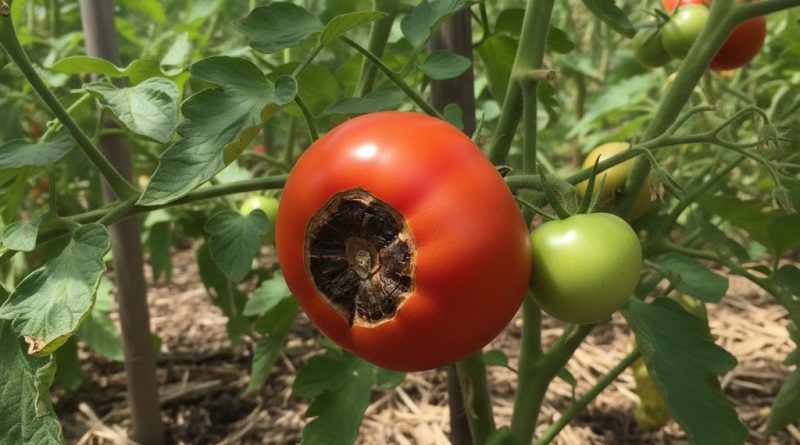
Tomatoes are notorious for blossom end rot. This starts as a small, dark, sunken spot at the blossom end of the fruit. Over days, it expands, often with a leathery texture. If you catch it early, fruit may still be usable in cooking, but once it’s fully formed, the damage is permanent.
Zucchini can show similar issues: dark, sunken areas at the blossom end. Leaves may curl slightly, and the fruits sometimes develop irregular shapes. Because zucchini grows quickly, the deficiency can show up almost overnight if conditions aren’t right.
Peppers often develop small brown patches on the fruit’s bottom. These can spread, causing soft spots that eventually rot. Leaves may also turn slightly pale, although peppers are generally better at hiding nutrient problems than tomatoes.
Cucumbers/pickles show signs in a slightly different way. Blossom end rot is still common, but cucumbers can also develop general softness or uneven ripening, which makes them less suitable for pickling.
Other secondary signs in all these plants can include:
- Curling or tip burn on young leaves
- Stunted growth
- Poor root development
- Increased susceptibility to disease
Interestingly, calcium deficiency isn’t always about a lack of calcium in the soil. Sometimes it’s about the plant’s ability to move calcium to where it’s needed, which can be influenced by watering, soil pH, and stress from high temperatures.
Why Calcium Deficiency Happens
Calcium is absorbed by plants through the roots as calcium ions in the soil solution. Several factors can interfere with uptake:
- Irregular watering: Calcium moves with water, so inconsistent moisture makes it hard for plants to transport enough to developing fruit. A dry spell followed by heavy watering is a classic recipe for blossom end rot.
- Excess nitrogen: Too much nitrogen fertilizer can stimulate leaf growth at the expense of fruit, reducing calcium transport to developing vegetables.
- Soil pH: Calcium is most available in slightly acidic to neutral soils (pH 6–7). If your soil is too acidic or alkaline, absorption drops.
- Root damage or compacted soil: Damaged or stressed roots struggle to take up calcium efficiently. This is common in newly transplanted seedlings or poorly tilled garden beds.
- High salt or magnesium levels: Too much of other cations in the soil can compete with calcium, preventing its uptake.
For home gardeners, irregular watering and over-fertilizing are usually the biggest culprits. I’ve seen many tomato and pepper plants with perfectly rich soil still show blossom end rot simply because the gardener watered sporadically or overfed nitrogen-heavy fertilizers.
Home Remedies and Preventive Measures
Thankfully, calcium deficiency is highly manageable at home with simple practices. I’ll go through both preventive measures and remedies I’ve successfully used over the years.
Consistent Watering
The most critical step is maintaining even soil moisture. Drip irrigation or soaker hoses work wonders. I personally water early in the morning, ensuring the soil is moist but not soggy. A mulch layer around the base of the plant helps retain moisture, reduce temperature fluctuations, and minimize evaporation.
A practical tip: when watering manually, give the plants a deep soak rather than light surface sprinkling. This encourages roots to grow deeper and ensures calcium moves with the water to the developing fruits.
Soil Amendments
If your soil tests show low calcium, adding it directly is effective. Common, low-cost options include:
- Crushed eggshells: Rinse them, crush finely, and work into the soil around the base of plants. They break down slowly, giving a steady supply of calcium.
- Garden lime (calcium carbonate): Useful if your soil is acidic. Be cautious: lime also raises pH, so don’t overapply.
- Gypsum (calcium sulfate): Adds calcium without changing pH. This is handy for soils that are already slightly alkaline.
I often combine eggshells with occasional gypsum applications for a slow and steady calcium supply. Over time, this reduces the likelihood of recurring blossom end rot.
Foliar Sprays
When deficiency appears mid-season, foliar sprays can help. Calcium chloride or calcium nitrate solutions can be sprayed directly onto leaves and developing fruits. This is a temporary fix that delivers calcium immediately to tissues that need it.
Homemade foliar sprays can also work for minor issues:
- Liquid eggshell solution: Soak crushed eggshells in water for 24–48 hours, strain, and spray the liquid on leaves.
- Milk spray: Some gardeners use diluted milk as a mild calcium source. Mix one part milk with ten parts water and spray lightly. It’s not a full solution but can reduce minor blossom end rot in a pinch.
The key with sprays is consistency — apply every 7–10 days until symptoms stop appearing. Spraying at cooler times of day prevents leaf burn.
Fertilizer Management
Avoid overfeeding with high-nitrogen fertilizers, especially during fruiting. Nitrogen promotes lush leaf growth, but excessive nitrogen reduces calcium transport to fruits. I use a balanced vegetable fertilizer or compost-based amendments once flowering starts, switching from nitrogen-heavy feeds.
Potassium and magnesium are also important, but balance is key. Too much potassium can compete with calcium, so always check the overall soil composition before adjusting.
Root Health
Healthy roots equal better calcium uptake. Avoid digging too close to plants after they’ve established. If transplanting seedlings, water well before and after planting to reduce stress. I sometimes gently loosen soil around older plants mid-season to ensure roots aren’t compacted, which helps calcium move freely.
Crop-Specific Tips
Tomatoes: Blossom end rot is most common. Prevent by consistent watering, mulching, and foliar sprays at first sign. Avoid excessive nitrogen. I also space plants well to improve airflow, which reduces stress and allows even growth.
Zucchini: Fast fruiting means deficiencies show quickly. Regular deep watering and foliar calcium sprays are effective. Avoid letting the soil dry out between harvests, especially in hot weather.
Peppers: Calcium deficiencies often appear mid-season. Foliar sprays and balanced fertilization work best. Removing a few early damaged fruits prevents the plant from wasting energy on compromised fruit.
Pickling cucumbers: Consistent soil moisture is key. Mulching, drip irrigation, and foliar sprays help prevent soft fruit. I also prune vines slightly to reduce stress and encourage calcium distribution to developing cucumbers.
Observing and Adjusting
Calcium deficiency isn’t always immediate or obvious. I’ve found that the most successful gardeners are those who observe daily, note changes, and adjust quickly.
- Check soil moisture regularly.
- Remove severely affected fruit promptly.
- Keep a small notebook to record which plants respond to sprays, amendments, or watering changes.
- Adjust fertilizer applications based on fruit load.
Over time, your plants will tell you what they need. Even within the same bed, one tomato variety may show deficiency while another thrives. This variability is normal and part of the learning curve.
Final Thoughts
Calcium deficiency is one of those issues that feels scary at first but is completely manageable once you understand it. Consistent watering, soil amendments, foliar sprays, and careful fertilization are all tools that home gardeners can use without spending a fortune.
Tomatoes, zucchini, peppers, and cucumbers respond well to attentive care. With observation, preventive measures, and timely intervention, you can enjoy firm, healthy fruits throughout the season. The key is understanding that calcium is mobile only with water and that stress, inconsistent watering, and over-fertilization are often the real culprits — not the soil itself.
From personal experience, I’ve learned that combining slow-release soil amendments like crushed eggshells with consistent watering and occasional foliar sprays produces the most reliable results. It’s a practical, low-cost approach that doesn’t require fancy products or complicated schedules.
By staying observant, experimenting with home remedies, and paying attention to your soil and plants, calcium deficiency becomes a manageable challenge rather than a disaster. Your tomatoes will stay firm, your zucchini won’t develop sunken spots, peppers will stay crisp, and your pickling cucumbers will be ready for jars without worry.
Gardening is part science, part patience, and part experimentation. Calcium deficiency is just another puzzle to solve — one that teaches you how your plants work and rewards your careful attention with healthy, bountiful harvests.