The Everyday Battle With Garden Pests
Photo by Marija Zaric on Unsplash
Every gardener, no matter how seasoned, eventually learns one universal truth: if you grow something, something else will try to eat it first. I’ve been growing vegetables for long enough to know that pests are not an occasional inconvenience but a steady presence. They show up when you least expect them, often right when your garden is looking its best. And while some folks like to pretend their garden is immune to trouble, I’ve never met a garden that didn’t have a few uninvited visitors.
Understanding pests doesn’t mean memorizing scientific names or turning your backyard into a laboratory. It means recognizing the signs early, understanding how these creatures behave, and knowing how to keep them in check without losing your sanity. The most common garden pests tend to fall into a few basic types, and once you understand those, you can handle almost anything the season throws at you.
Tiny Suckers That Drain the Life Out of Plants
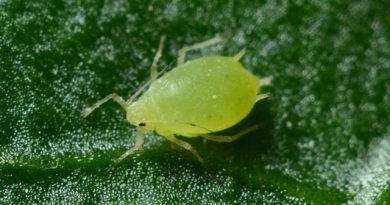
Some of the most frustrating garden pests are the tiny ones that hide on the undersides of leaves and quietly suck plant sap. They don’t make dramatic holes like caterpillars, so at first glance everything can look perfectly fine, but their damage builds slowly. Aphids are the classic example. They cluster tightly, multiply like they’re in a hurry, and leave behind that sticky residue gardeners dread. Whiteflies act the same way but flutter off in a cloud when you disturb the plant. Spider mites stay still but cause that dusty speckling on leaves that eventually leads to leaf drop.
What makes these small pests so irritating is the way they weaken plants over time. You often notice them only when the damage has already started. I learned this the hard way with my peppers one summer. The tops looked vibrant, but the lower leaves were curling and yellowing. Underneath, an army of aphids was feasting in peace, and I felt like I had walked right past a warning sign without seeing it. Once you’ve dealt with them a few times, you start checking leaves automatically, the same way you lock the door behind you without thinking.
Managing these types of pests usually means being consistent rather than aggressive. A strong blast of water early in the season works better than half a dozen treatments later. Keeping plants healthy also makes a real difference. Stressed plants attract pests the same way a free buffet attracts customers. You do not need complicated solutions—just regular observation and simple, steady action to keep their numbers low.
Chewers That Leave Nothing But Ragged Holes
Some garden pests aren’t subtle at all. Caterpillars, beetles, snails, and slugs make their presence known the moment you see a leaf that looks like it’s been chewed by a tiny chainsaw. I’ve walked out some mornings to find a whole row of greens turned into lace overnight. It’s discouraging, but once you understand who’s doing the chewing, they become easier to manage.
Caterpillars are the main offenders in midsummer. They blend in so well that you often have to brush your hand along the leaves before you spot them. Some people squish them; others pick them off and relocate them somewhere far away from their vegetables. I lean toward the middle path—deal with them quickly and calmly, because letting them stay is a sure way to lose your harvest.
Slugs and snails show up whenever the weather turns damp. They leave that unmistakable silvery trail, and if you’ve ever grown lettuce, you know exactly how much damage they can do. I’ve tried every trick in the book to slow them down. Sometimes the simplest adjustments make the biggest difference, like watering in the morning instead of evening, or keeping the soil surface a little drier. You never fully eliminate them, but you can make your garden less welcoming.
The trick with chewers is not to panic when you see holes. A few holes are just part of gardening. Every garden is a living space, not a museum display. But when the damage gets severe, that’s your cue to step in. It’s about keeping the balance rather than declaring war.
Burrowers and Root Feeders You Don’t See Until It’s Too Late
Some pests operate underground, making them the hardest to catch early. Root maggots, wireworms, and various soil-dwelling larvae can quietly destroy the parts of the plant you never see. Carrots, radishes, and beets are their favorite targets. Above ground the foliage can look perfectly healthy, yet when you harvest, you find tunnels or soft rot inside your crops. It’s one of the most deflating moments in gardening.
I once grew a gorgeous patch of radishes, expecting a beautiful first harvest of the season. The tops were lush, the soil was perfect, and everything seemed to be on track. When I pulled them up, nearly half were riddled with tiny tunnels. I remember staring at them with disbelief, feeling like I had been robbed. That was my introduction to root maggots, and it taught me to pay more attention to soil pests.
Managing underground garden pests requires thinking ahead rather than reacting after the damage. Rotating crops, using clean soil, and protecting seedlings from flies in early spring can save you weeks of frustration. These methods aren’t glamorous, but they work. Soil pests are a reminder that gardening is never just about what you see above the surface.
The Importance of Early Action and Steady Habits
What ties all garden pests together is that early, gentle action beats late, desperate action every time. When you treat pests as a regular part of gardening rather than a crisis, you start noticing things before they get out of hand. The plants tell you when something is wrong—wilting, yellowing, curling, slowed growth. The real skill we develop as gardeners is learning to listen.
Some people jump straight to sprays the moment they notice a problem, but I’ve learned to slow down and look first. Often, the solution is as simple as removing affected leaves, increasing airflow, or correcting watering habits. Most gardens don’t need heavy interventions; they need consistent attention from someone who knows what normal growth looks like.
And no matter what you do, pests never disappear forever. You can grow in raised beds, containers, open soil, or greenhouses—pests will find their way in. The key is accepting their presence while also learning how to keep the upper hand. Once you approach it that way, pest management becomes less stressful and more like regular maintenance.
The Real Reward of Understanding Garden Pests
Every year, pests teach me something new about how the garden works. They remind me that plants are living things in a living ecosystem. They remind me that I’m part of that ecosystem too, not just an outsider controlling everything. When you shift your mindset from “How do I get rid of pests?” to “How do I manage this living space responsibly?” the whole experience of gardening becomes easier and more satisfying.
Learning the basic types of pests—suckers, chewers, and burrowers—gives you a simple framework that applies to any garden. Once you know what to look for, you can handle almost any situation with calm and confidence. You don’t need fancy tools or complicated strategies. What you need is awareness, patience, and the willingness to check your plants a bit more often.
Garden pests are not the enemy; they’re part of the garden. It’s our job to keep things balanced. And when we do, the plants reward us, often more generously than we expect. The next time you walk through your garden and spot early signs of trouble, don’t feel defeated. Feel informed, steady, and ready. Because once you understand pests, you stop fearing them—and that is when your garden truly starts to thrive.